The Story
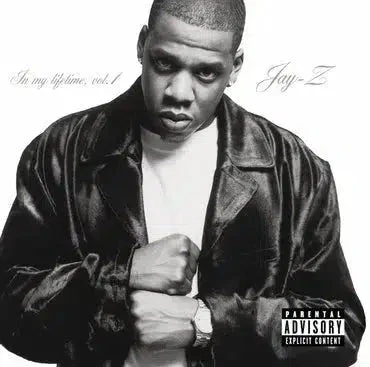
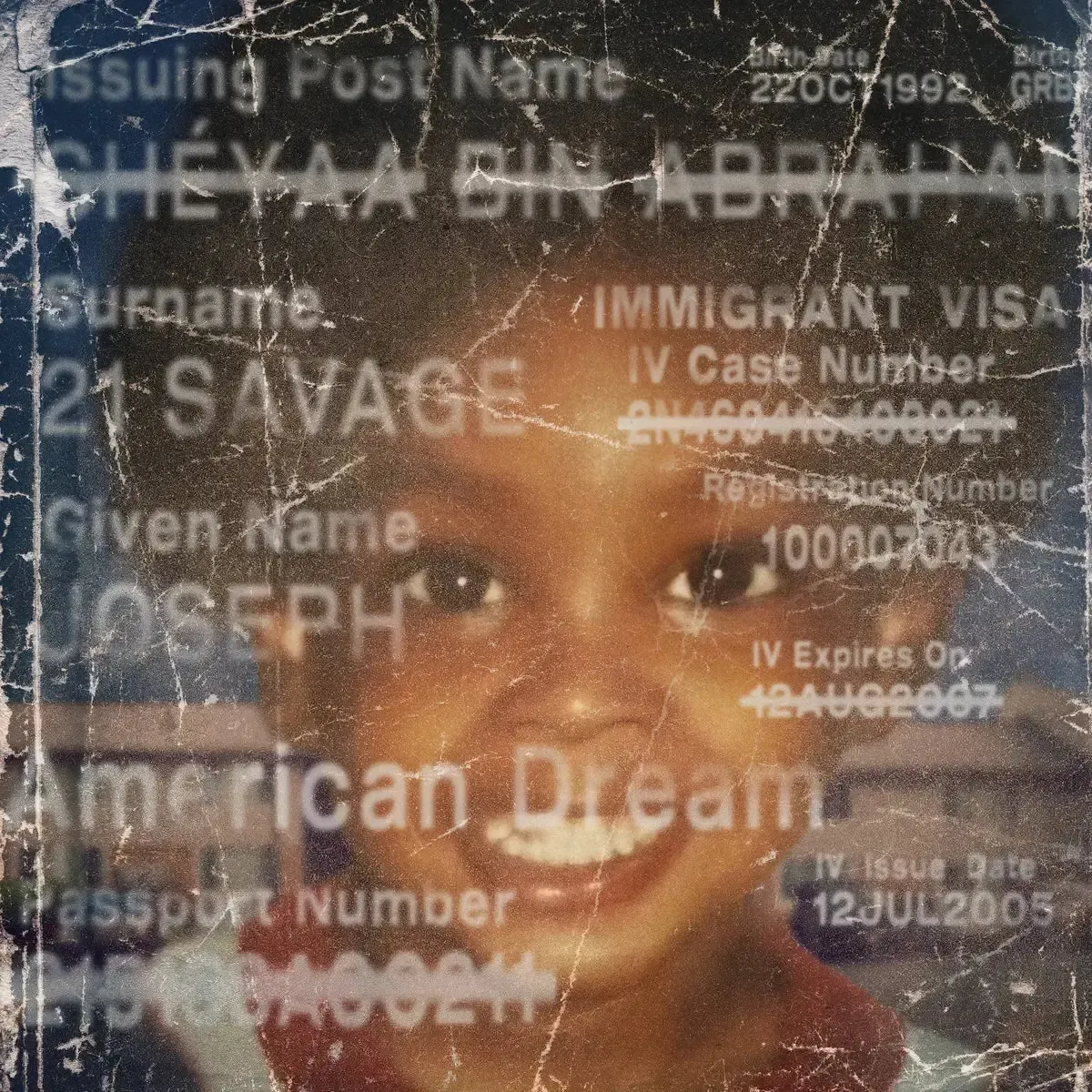
21 Savage’s third solo album, American Dream, begins with his mother, Heather Joseph, describing her family’s emigration from Britain to America during his childhood. “Every path that I walked was for my son,” she tells us. (Big Rube of Dungeon Family fame penned her introduction.) It’s a concept many others have used before, most famously by Jay-Z and his mother Gloria Carter on “December 4th” from 2003’s The Black Album. But longtime fans worried about the Atlanta rapper veering into maudlin self-aggrandisement shouldn’t worry. “Memories in my head, God talking to me/I know Satan in my head but God walking with me,” he raps on the next track, “All of Me.” But he hastens to add, “Bulletproof my cars/Meet a homebody, fuck it, kill him in his yard.”
By now, it’s clear that there’s a stark difference between 21 Savage the wealthy musician, father of three children, and humanitarian known for his charitable works; and 21 Savage the avatar, whose deadpan boasts about murdering rivals, stunting on X bitches, and bullying snitches has thrilled listeners for nearly a decade. His assertion that these tales are informed by youthful, real-life adventures in the streets may contribute to their verisimilitude, but it doesn’t address the dissonance between his two personas, and whether his audience would accept him any other way. Jay-Z thrived in an era when rappers who hit gold were encouraged to evolve from their hustler origins and embrace less fraught themes like partying in clubs, buying expensive toys, and building successful businesses. Today, it seems artists who attempt to break character — see Gucci Mane, Killer Mike, T.I., and other rehabilitated trappers — risk losing hardcore fans turned off by anything that smacks of pop compromise.
Description
21 Savage’s third solo album, American Dream, begins with his mother, Heather Joseph, describing her family’s emigration from Britain to America during his childhood. “Every path that I walked was for my son,” she tells us. (Big Rube of Dungeon Family fame penned her introduction.) It’s a concept many others have used before, most famously by Jay-Z and his mother Gloria Carter on “December 4th” from 2003’s The Black Album. But longtime fans worried about the Atlanta rapper veering into maudlin self-aggrandisement shouldn’t worry. “Memories in my head, God talking to me/I know Satan in my head but God walking with me,” he raps on the next track, “All of Me.” But he hastens to add, “Bulletproof my cars/Meet a homebody, fuck it, kill him in his yard.”
By now, it’s clear that there’s a stark difference between 21 Savage the wealthy musician, father of three children, and humanitarian known for his charitable works; and 21 Savage the avatar, whose deadpan boasts about murdering rivals, stunting on X bitches, and bullying snitches has thrilled listeners for nearly a decade. His assertion that these tales are informed by youthful, real-life adventures in the streets may contribute to their verisimilitude, but it doesn’t address the dissonance between his two personas, and whether his audience would accept him any other way. Jay-Z thrived in an era when rappers who hit gold were encouraged to evolve from their hustler origins and embrace less fraught themes like partying in clubs, buying expensive toys, and building successful businesses. Today, it seems artists who attempt to break character — see Gucci Mane, Killer Mike, T.I., and other rehabilitated trappers — risk losing hardcore fans turned off by anything that smacks of pop compromise.